Dams, lakes and ponds
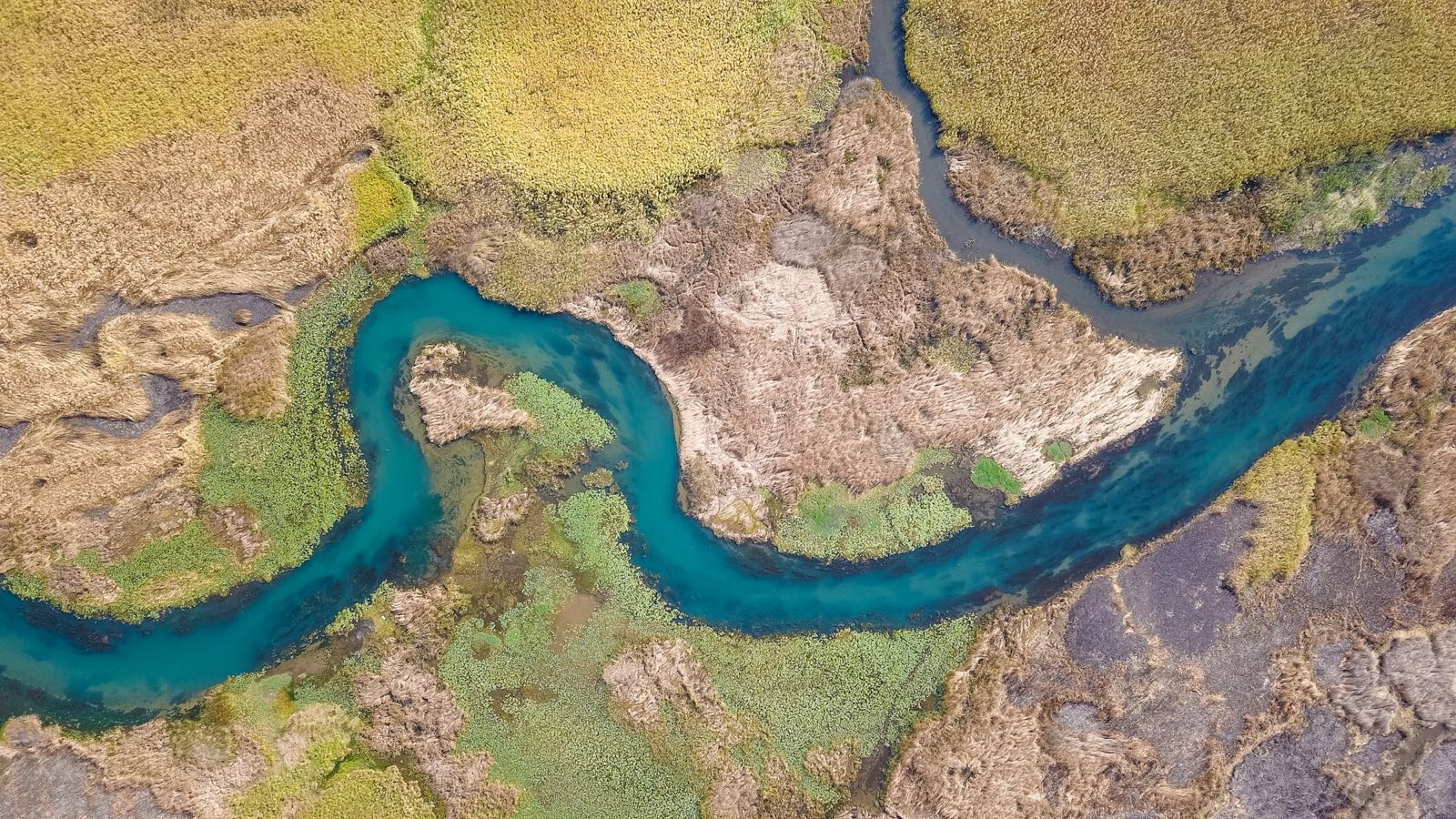
Control of harmful algal blooms and cyanotoxins, E. coli and harmful bacteria, organic pollutants, odours and unsightly water, low dissolved oxygen and biofilm. No toxic chemical residues, and safe for the aquatic biome.
Open the page
Food Production
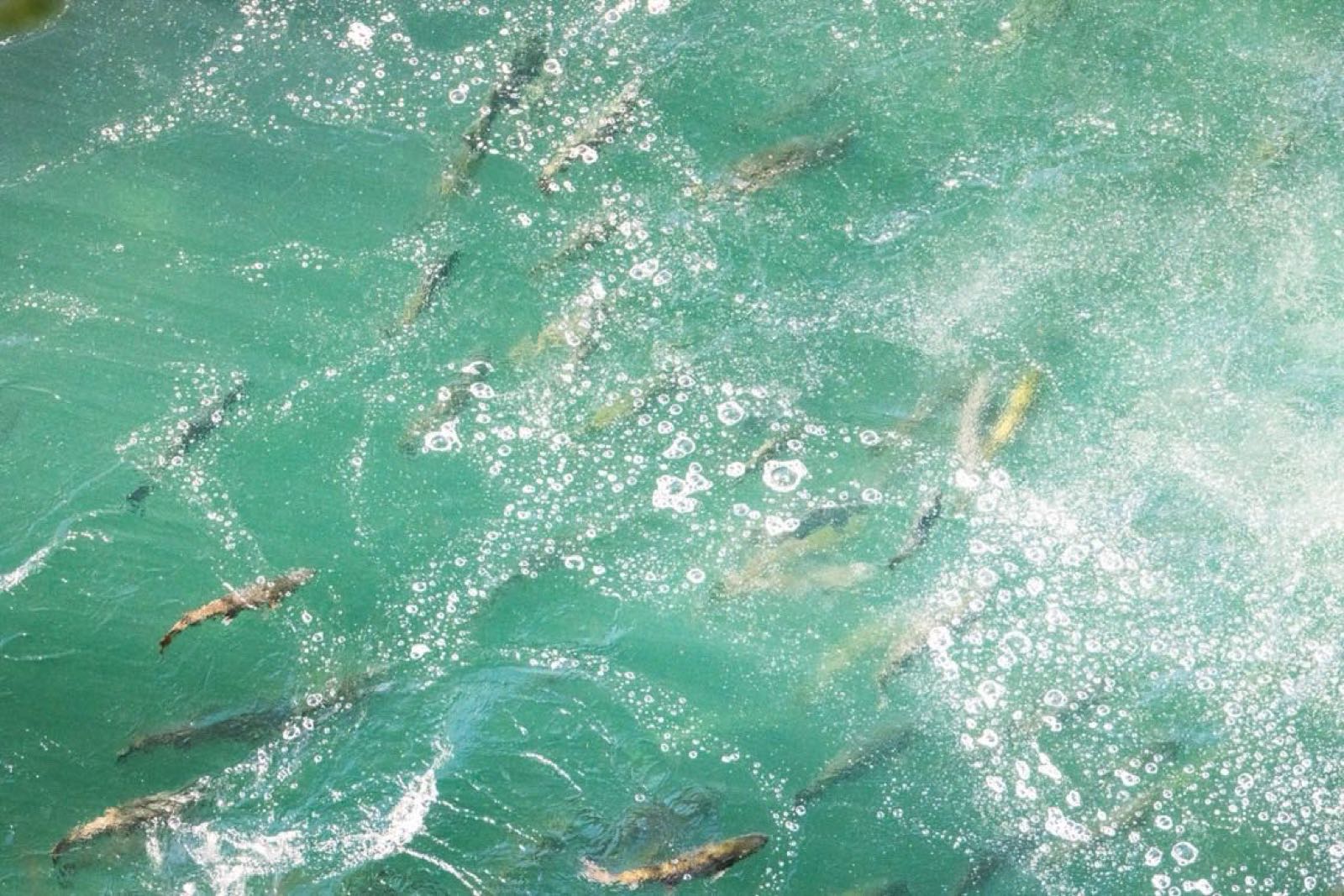
Irrigation water for horticulture, greenhouse and turf. Oxygen through the water column in aquaculture. Drinking water for dairy, feedlot, piggery and poultry stock, and the wastewater a farm has to treat before it can reuse it.
Open the page
Drinking water
Water sanitation in remote communities and improved water security. Chemical free operation, low power that enables off grid use, and removal of odour and taste contaminants.
Open the page
Wastewater treatment
Improved aerobic digestion and enhanced breakdown of organic pollutants. Reduced odours, improved suspended solids removal, less biofilm, and higher quality water for reuse applications.
Open the page