Industries
Wastewater treatment
Municipal sewage, industrial and agricultural wastewater. Across agriculture, councils, industry and regional communities, wastewater is increasingly treated as a water resource rather than as a waste product, and the problem is treating it efficiently while cutting energy, improving water quality and enabling safe reuse.
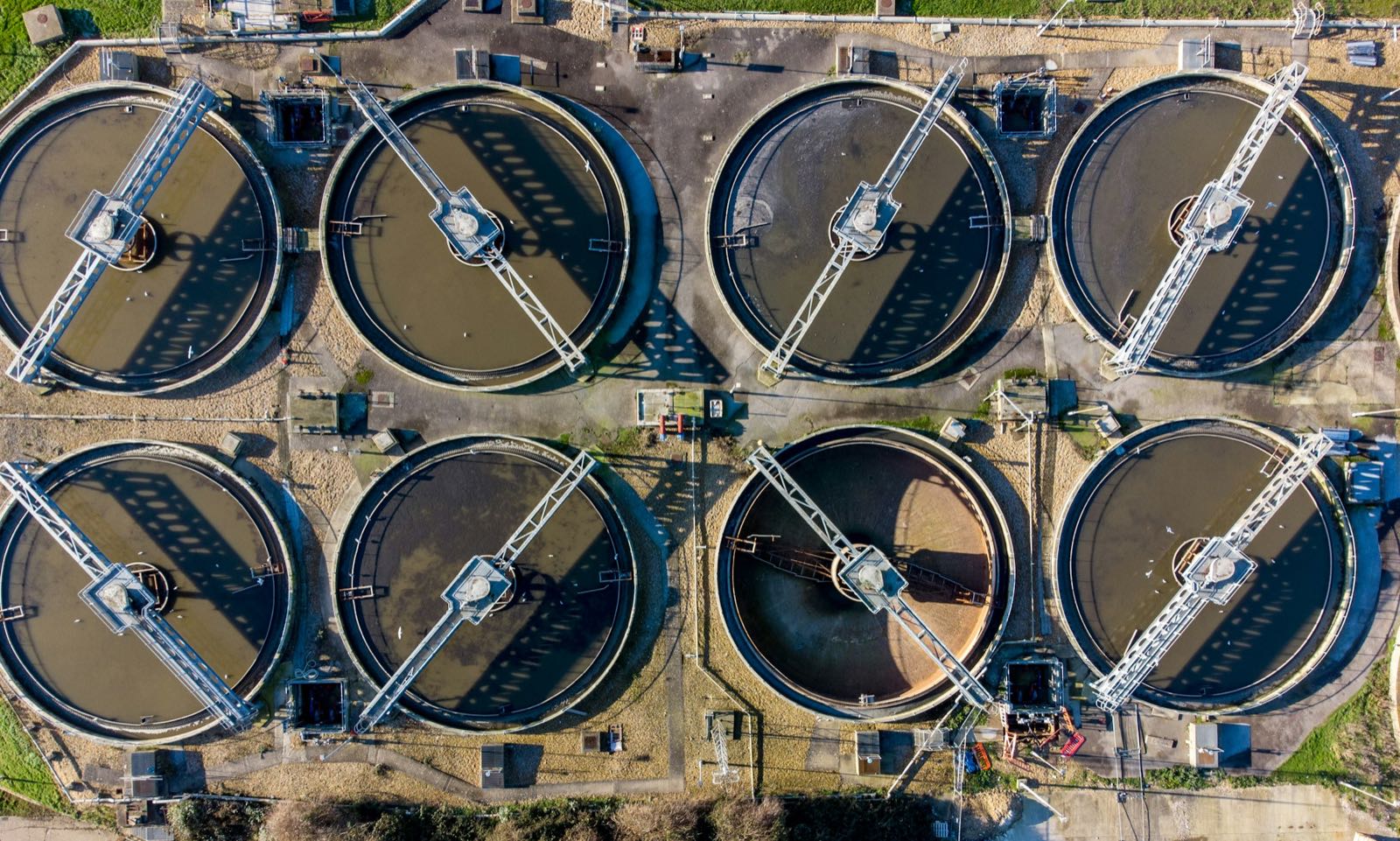
What the unit does in a wastewater stream
Oxygenation for enhanced biological treatment
The Hydro oxygenation system delivers high dissolved oxygen levels throughout the wastewater stream using nanobubbles. That oxygen-rich environment supports the aerobic bacteria that digest organic matter and reduce pollutants, so the biological stage is complemented rather than replaced.
- Improved aerobic digestion performance
- Enhanced breakdown of organic waste
- Reduced odours associated with anaerobic conditions
- Improved suspended solids removal
- Increased treatment efficiency
- Reductions in energy consumption compared with traditional aeration systems
Ozone and advanced oxidation for water polishing
Ozone is introduced through nanobubbles, where it stays in contact with the water for longer. The process creates hydroxyl radicals that oxidise and break down the contaminants biological treatment alone may not remove.
- Breaks down organic pollutants
- Reduces pathogens
- Reduces algae
- Improves water clarity
- Removes colour, taste and odour compounds
- Reduces BOD and COD
- Produces a higher quality water suitable for reuse applications
Cyanobacteria
182,385 to 936 cells/ml
Lake Albert, Wagga Wagga, New South Wales, over two weeks.
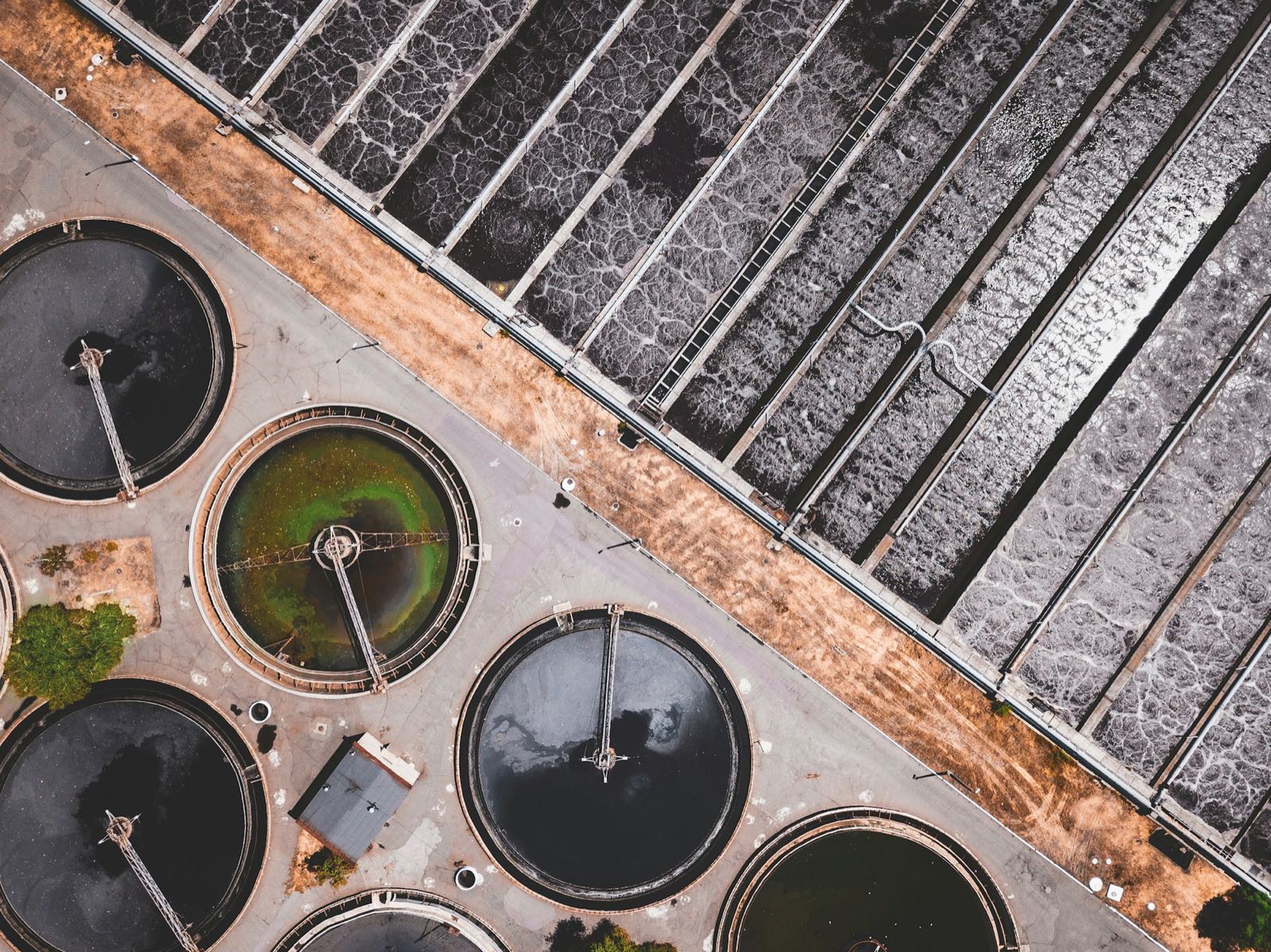
Enabling safe water reuse
Once treated, the water is safer, cleaner, highly oxygenated and suitable for a range of reuse applications, which helps an organisation cut its freshwater consumption.
- Agricultural irrigation
- Landscape and garden watering
- Sporting fields and parks
- Industrial process water
- Environmental water management
- Non-potable water reuse schemes
Turning wastewater into a reusable resource takes pressure off freshwater supplies and supports circular water management.
Biofilm removal
A common problem in recycled water schemes is biofilm building up inside pipelines and emitters. Biofilm harbours unwanted microorganisms, reduces flow rates and increases maintenance costs.
The Hydro nanobubble and oxidation process assists in:
- Breaking down biofilm accumulation
- Cleaning irrigation infrastructure
- Improving water distribution efficiency
- Reducing blockages in irrigation systems
Cleaner irrigation networks mean lower maintenance and more reliable water delivery to crops, gardens and landscaped areas.
One case study
Ozone nanobubbles and constructed floating wetlands, with UniSA.
Total nitrogen down about 70%, total phosphorus about 86% and BOD about 100% from the combined system. The water reuse study moved to horticulture and the PFAS thesis to research, and each has a page of its own.