Research and validation
Review of scientific evidence, nanobubble technology
An independent 2025 review of the peer-reviewed research and case studies on nanobubble technology, by Houd Research Group.
Case studies
Ten studies. Eight carry a measured result and two review the published research.
Research and validation
An independent 2025 review of the peer-reviewed research and case studies on nanobubble technology, by Houd Research Group.
Dams, lakes and ponds
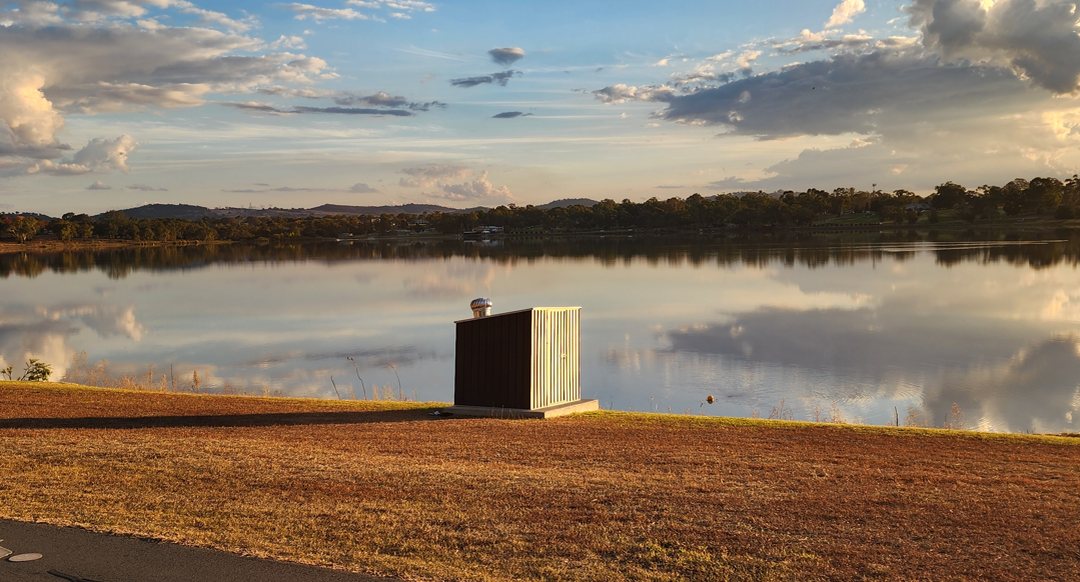
Five units on a 125 hectare lake at Wagga Wagga, New South Wales. A twelve month trial, then a long-term contract.
Dams, lakes and ponds
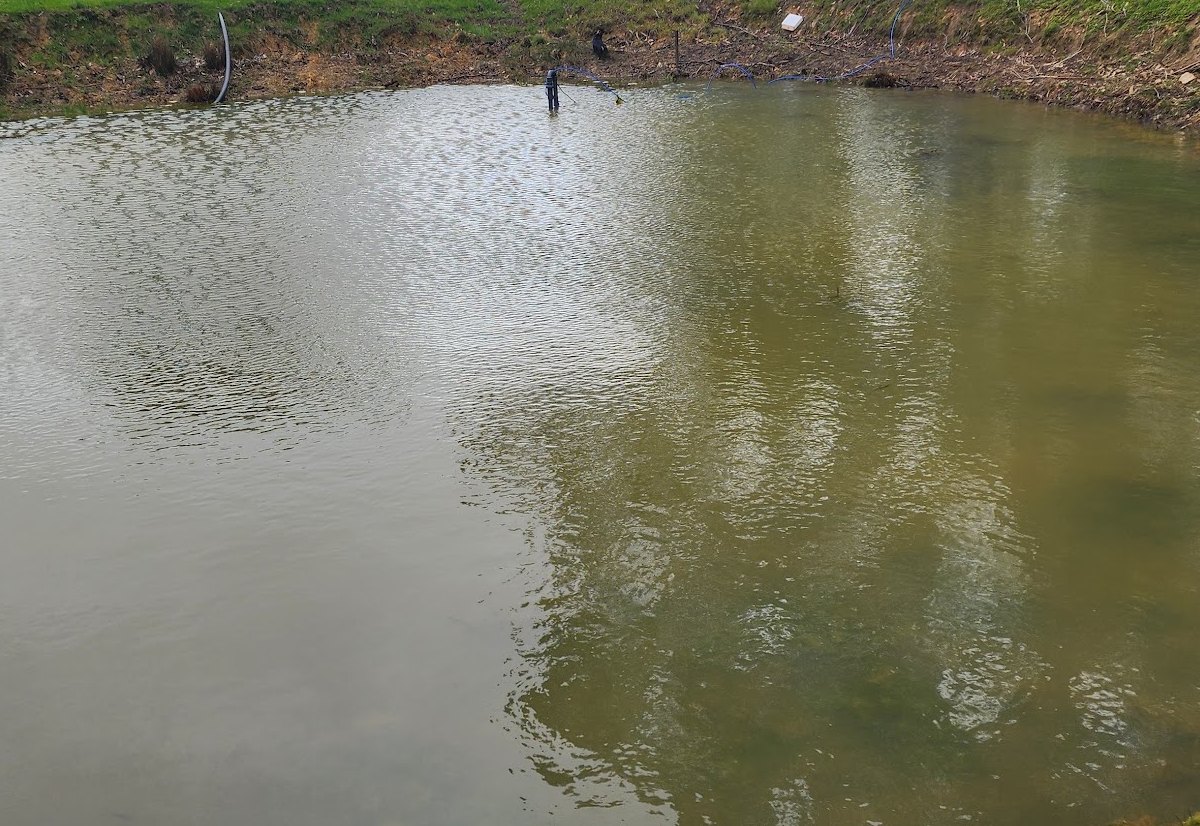
A 48 hour treatment on two static South Australian water bodies. Nitrate also fell from 6.64 to 0.63 mg/L during treatment.
Horticulture and Aquaculture
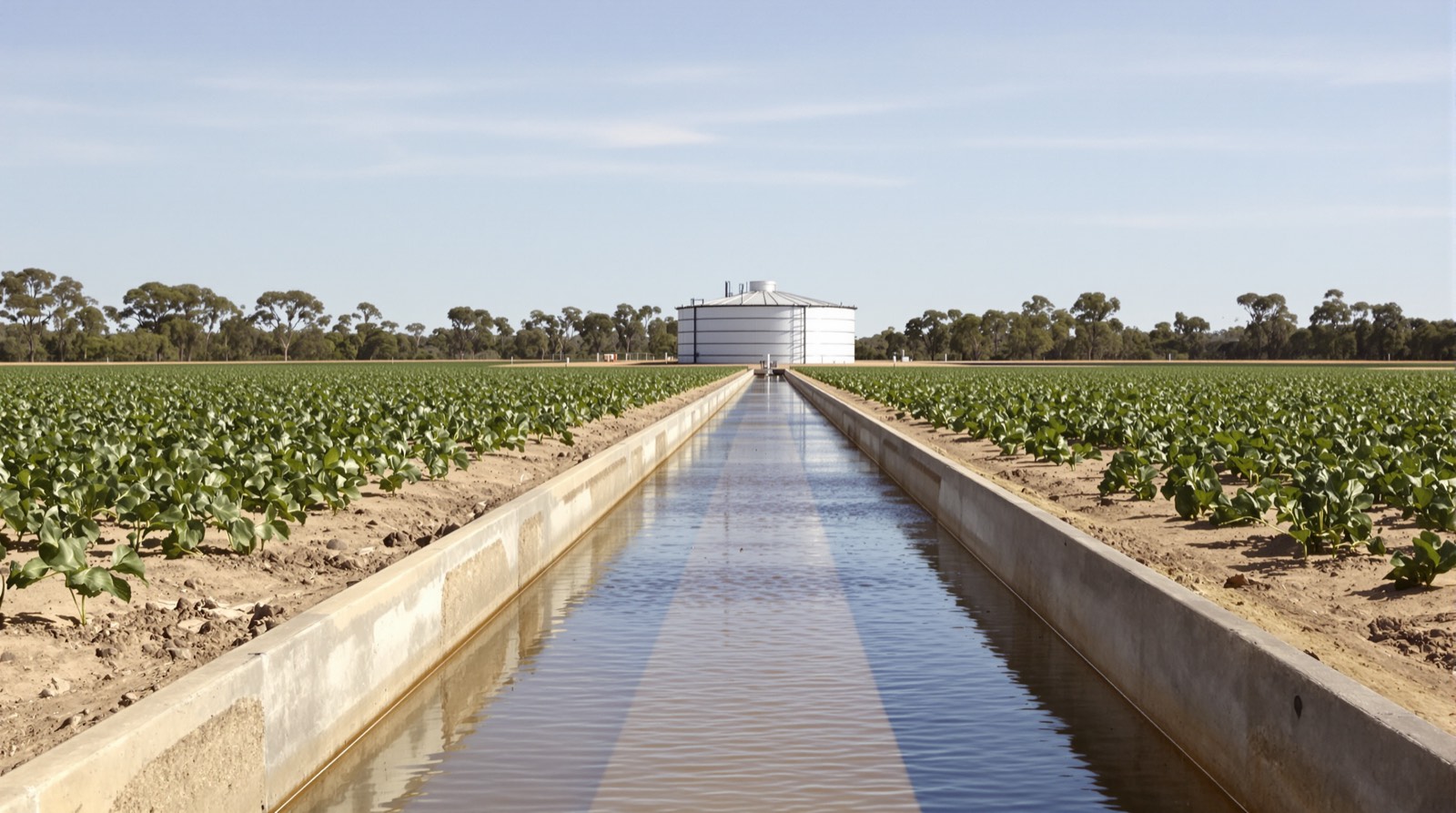
Recycled and wastewater at two horticultural facilities. Colony forming units also fell from 32,500 to 33 per ml.
Horticulture and Aquaculture
Untreated irrigation water oxygenated in thirty minutes, and still above 30 mg/L three days later.
Dams, lakes and ponds
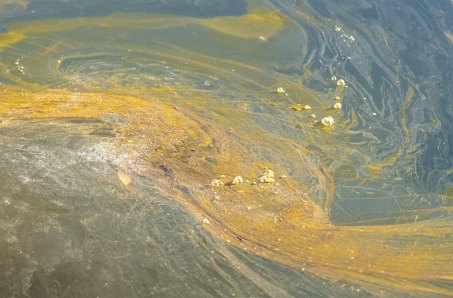
Sea water from an active South Australian bloom, treated for fifteen minutes. Independently analysed by ALS.
Dams, lakes and ponds
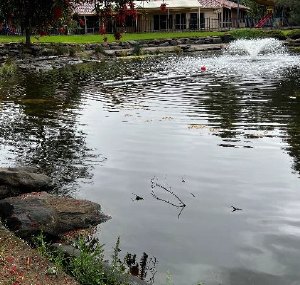
Three samples across the trial, analysed by Tea Tree Gully Council. Total nitrogen also fell 53.3%.
Wastewater treatment
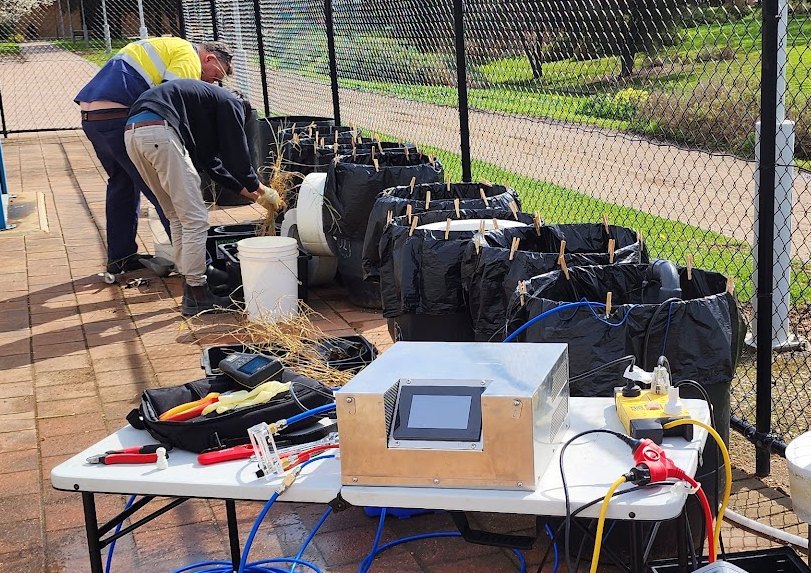
Ozone nanobubbles combined with constructed floating wetlands, with the University of South Australia. Quoted from the study abstract.
Research and validation
A UniSA thesis reviewing published ozone and nanobubble results, with the City of Salisbury as its case-study area.
Drinking water
Dissolved ferrous iron at three concentrations, settled and filtered after treatment.
Review of scientific evidence, nanobubble technology
An independent 2025 review of the peer-reviewed research and case studies on nanobubble technology, by Houd Research Group.
Ozonation with micro-nanobubble technology for algae and PFAS reduction, UniSA
A UniSA thesis reviewing published ozone and nanobubble results, with the City of Salisbury as its case-study area.
Cyanobacteria control, Lake Albert
Five units on a 125 hectare lake at Wagga Wagga, New South Wales. A twelve month trial, then a long-term contract.
Algal bloom control, Jubilee Lake and Willunga Dam
A 48 hour treatment on two static South Australian water bodies. Nitrate also fell from 6.64 to 0.63 mg/L during treatment.
Harmful algal bloom reduction (Karenia), West Lakes
Sea water from an active South Australian bloom, treated for fifteen minutes. Independently analysed by ALS.
Nitrogen nutrient reduction in water, Jubilee Lake
Three samples across the trial, analysed by Tea Tree Gully Council. Total nitrogen also fell 53.3%.
Water reuse, coliform, E. coli and algae reduction
Recycled and wastewater at two horticultural facilities. Colony forming units also fell from 32,500 to 33 per ml.
Improved irrigation water quality, SA Tomatoes
Untreated irrigation water oxygenated in thirty minutes, and still above 30 mg/L three days later.
Wastewater ozone nanobubble treatment, UniSA
Ozone nanobubbles combined with constructed floating wetlands, with the University of South Australia. Quoted from the study abstract.
Oxidising iron in water using nanobubble ozonation
Dissolved ferrous iron at three concentrations, settled and filtered after treatment.
What the ten report
ALS at West Lakes and Tea Tree Gully Council at Jubilee Lake. A third, the UniSA wastewater study, names the university whose work it is.