Case study, dams, lakes and ponds
Cyanobacteria control, Lake Albert
The Hydro2050 trial at Lake Albert demonstrated effective, non-chemical cyanobacteria control through nanobubble oxygen and ozone infusion, reducing blooms, improving water quality, and maintaining lake access.
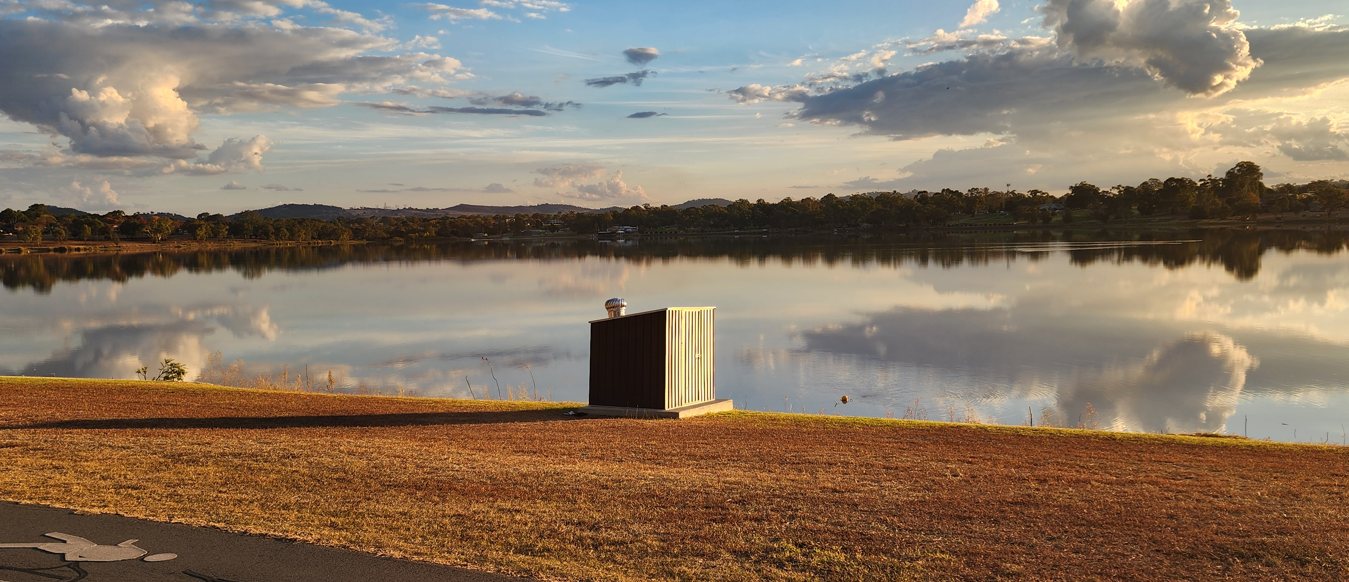
What happened at Lake Albert
The challenge
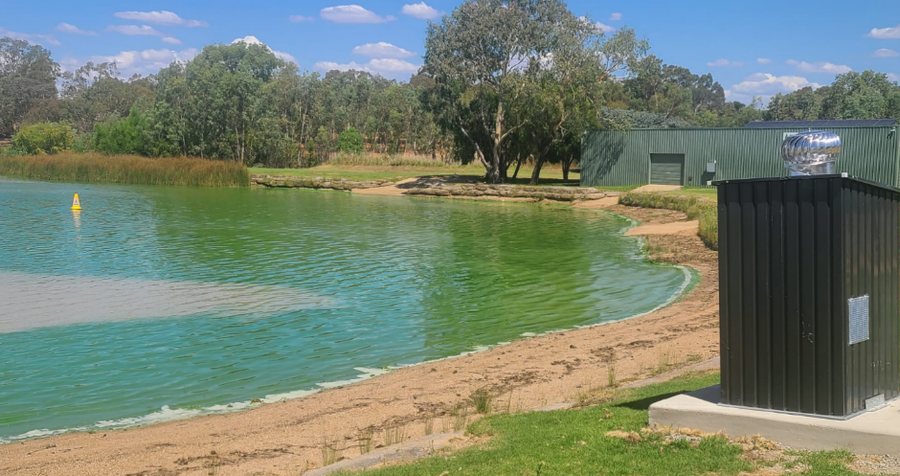
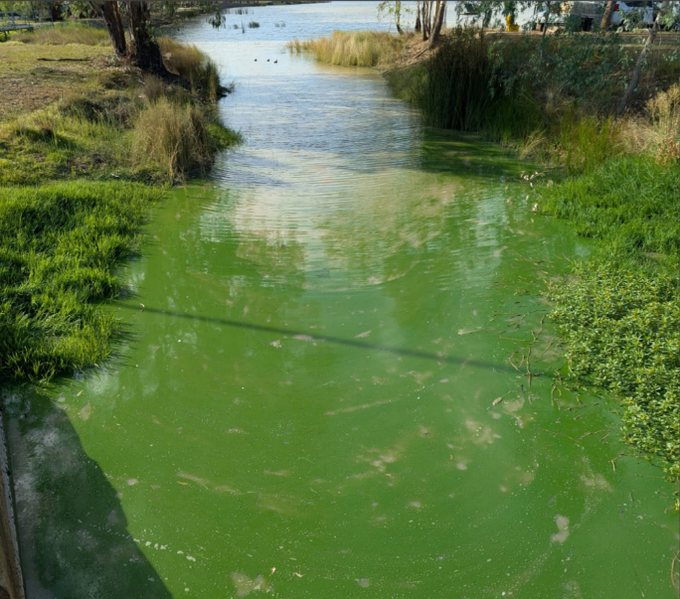
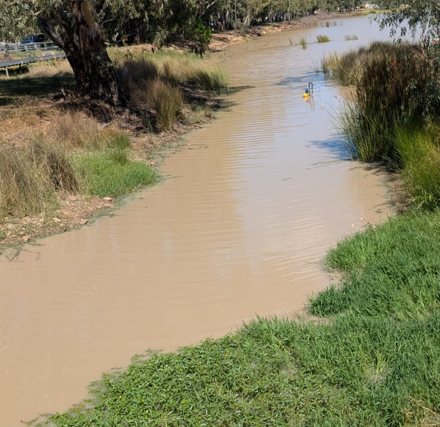
Recurring harmful algal blooms caused by cyanobacteria, which led to frequent closures of the lake during important summer months. These blooms posed significant public health risks, disrupted recreational activities, and negatively impacted local businesses, tourism, and community enjoyment.
Previous mitigation methods, including chemicals, enzymes, and sonic resonance, had failed to provide a reliable or sustainable solution, highlighting the need for a more effective and operationally practical approach to controlling cyanobacteria and maintaining water quality.
The solution
Deploying Hydro2050's nanobubble technology, which uses oxygen and ozone-infused ultrafine bubbles to treat water without chemicals. Five units were installed at key cyanobacteria accumulation points around the lake. This system increased dissolved oxygen, oxidised contaminants, and directly reduced cyanobacteria levels.
The approach was operationally flexible, units could be relocated as lake conditions changed, and required continuous operation during high-risk periods. The result was a rapid and sustained reduction in harmful algal blooms, keeping the lake open and safe for recreation throughout the trial period. The success led to a long-term contract for ongoing water quality management using this non-chemical, adaptable method.
The results
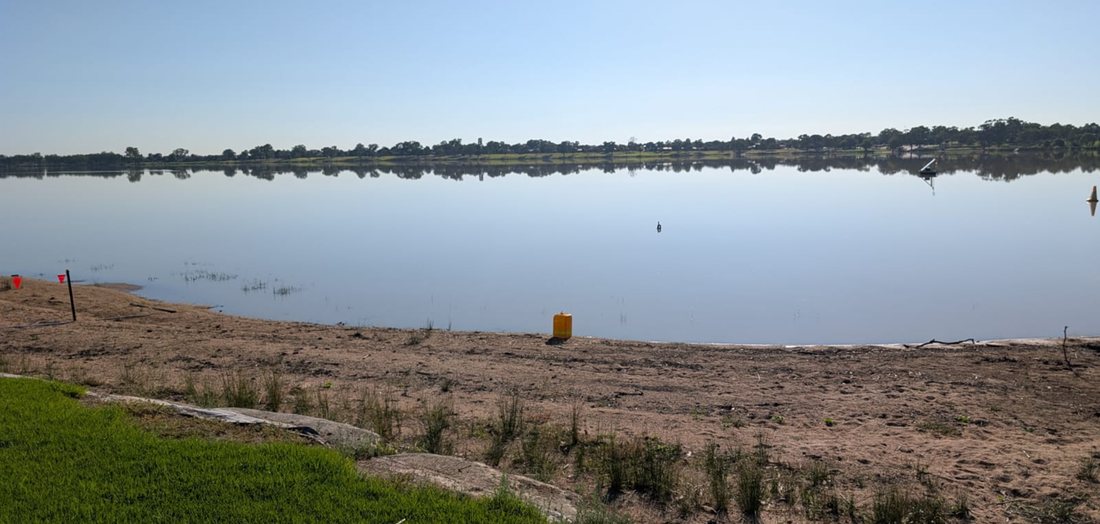
The Hydro2050 nanobubble trial at Lake Albert achieved rapid and sustained reductions in cyanobacteria levels, eliminating visible blooms and keeping the lake open for recreation during peak periods.
Cyanobacteria cell counts dropped from Amber Alert to safe Green, or No Alert, levels after installation, and the lake remained virtually free of blooms for most of the 12-month trial. When equipment was temporarily offline due to vandalism and drought, cyanobacteria levels rose but were quickly brought back under control once repairs and adjustments were made.
The trial demonstrated that targeted, non-chemical treatment could reliably reduce bloom risk, protect public health, and maintain water quality, leading to a long-term contract for ongoing management.
The impact
Hydro2050's impact at Lake Albert was significant and multifaceted.
Rapid reduction of cyanobacteria
After installation, cyanobacteria levels dropped quickly from Amber Alert to safe Green, or No Alert, levels, eliminating visible blooms and keeping the lake open for recreation during peak periods.
Sustained water quality improvement
The lake remained virtually free of harmful algal blooms for most of the 12-month trial, with only a brief spike when equipment was offline due to vandalism and drought. Once repaired, the system restored safe conditions rapidly.
Operational flexibility and repeatability
The approach allowed for targeted treatment at bloom accumulation points and could be adapted as lake conditions changed, demonstrating a model that can be repeated in other water bodies.
Non-chemical, sustainable solution
The technology improved water quality without chemical additives, increasing dissolved oxygen, oxidising contaminants, and supporting ecological health. No negative impact to the aquatic biome, meaning fish and beneficial aquatic organisms, plants and birds.
Long-term adoption
Due to the trial's success, the council contracted Hydro2050 for ongoing management, highlighting its effectiveness and value for long-term waterway resilience.
Overall, Hydro2050 provided a reliable, adaptable, and environmentally friendly solution to persistent water quality challenges at Lake Albert.
The full progress report
Lake Albert is the one study on this site with a longer account behind it. Hydro2050's own progress report of 20 March 2026 carries every ALS cell count from February 2025 to February 2026, the five deployment points, the month the system went offline and what was done about it, and the client's film of the lake.
That account is set out in full on its own page rather than repeated here.
Dams, lakes and ponds
Lake Albert is one lake. The same problem sits in a lot of standing water.
The case studies page carries nine others, including three more South Australian water bodies.