Industries
Food Production
Water for growing, raising and washing. Irrigation for horticulture, greenhouse and turf, oxygen through the column in aquaculture, drinking water for livestock, and the wastewater a farm has to treat before it can reuse it.
The five settings
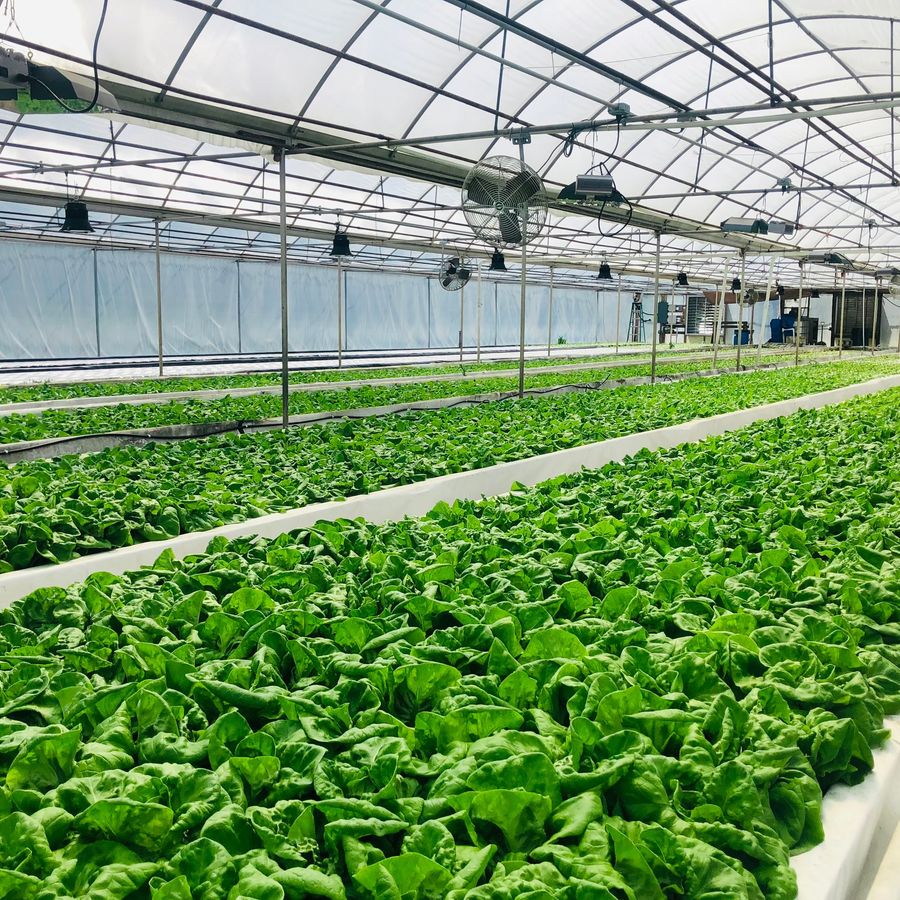
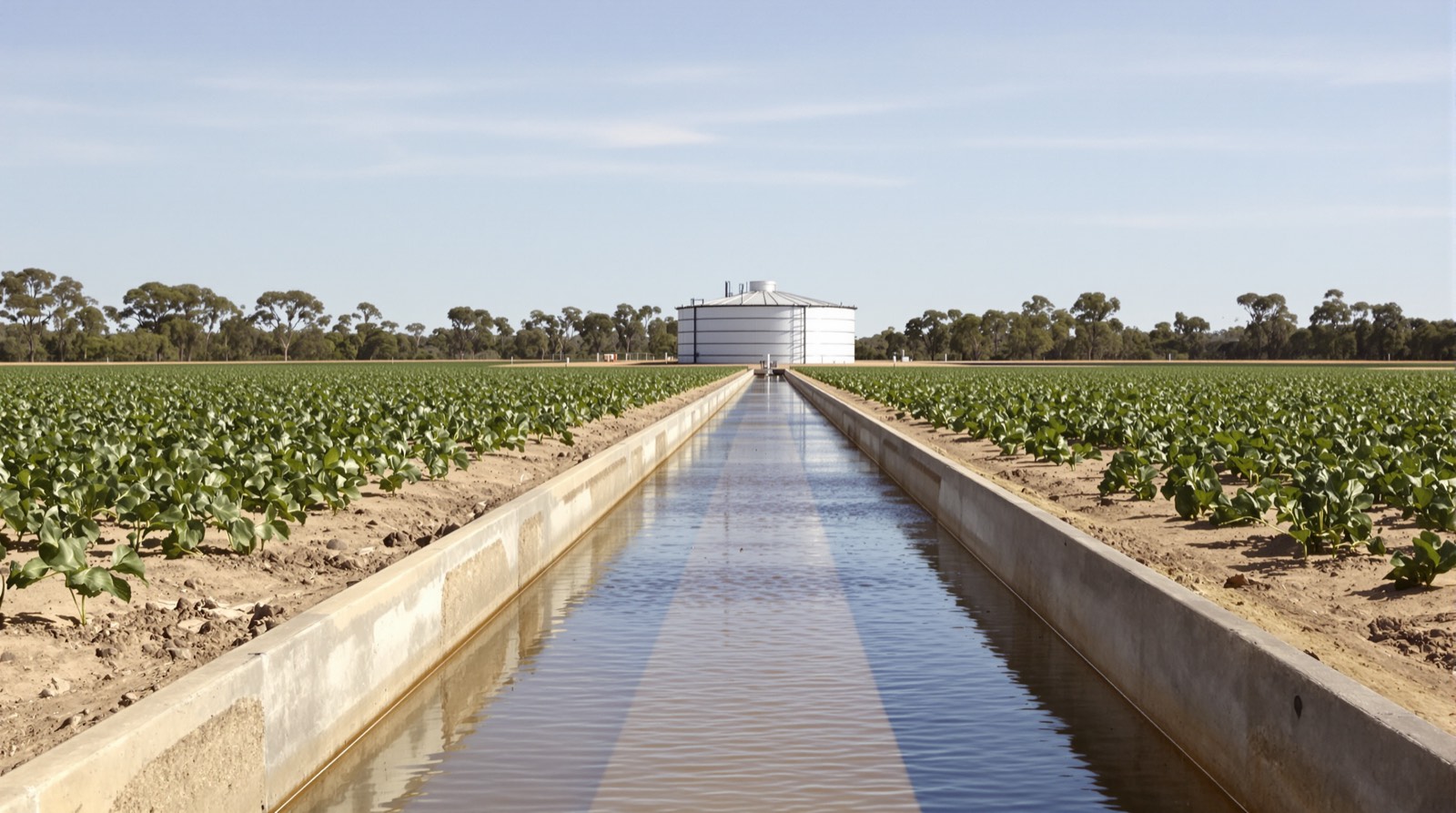
Horticulture, greenhouse and turf
Clean, oxygenated water improves plant growing conditions, yield and quality.
With the Hydro2050 system, dissolved oxygen remains in the water for extended periods, ensuring oxygenated water reaches the root zone.
Stronger plant growth and yield
Root hypoxia is recognised as a major constraint on crop productivity and soil biological function. Oxygen rich irrigation water supports higher crop yield and quality through improved root respiration and energy production, which enhances nutrient uptake.
Hydro: supersaturates irrigation water with oxygen.
Reduced disease pressure and losses
Root pathogens such as Pythium and their spores thrive under low oxygen conditions and attack weakened root tissue. Oxygen supports a stronger root system, and aerated soils promote beneficial aerobic bacteria and increase microbial diversity, which helps suppress pathogens.
Hydro: delivers oxygen to the root zone through nanobubbles.
Cleaner and more efficient irrigation systems
Biofilm accumulation inside irrigation networks can create blockages, reduce flow rates and harbour pathogens. Nanobubbles and hydroxyl radicals scour biofilm away and keep irrigation systems clean.
Hydro: produces a constant stream of nanobubbles and short-lived hydroxyl radicals.
Improved irrigation water quality and reuse
Reducing bacteria, algae and other contaminants, and increasing dissolved oxygen in irrigation water whatever its source, improves plant vigour, yield and quality, reduces susceptibility to root diseases, and reduces losses.
Hydro: sanitises and oxygenates source water.
Aligns with organic farming principles
By avoiding chemical disinfectants and enhancing natural plant defences.
Aquaculture
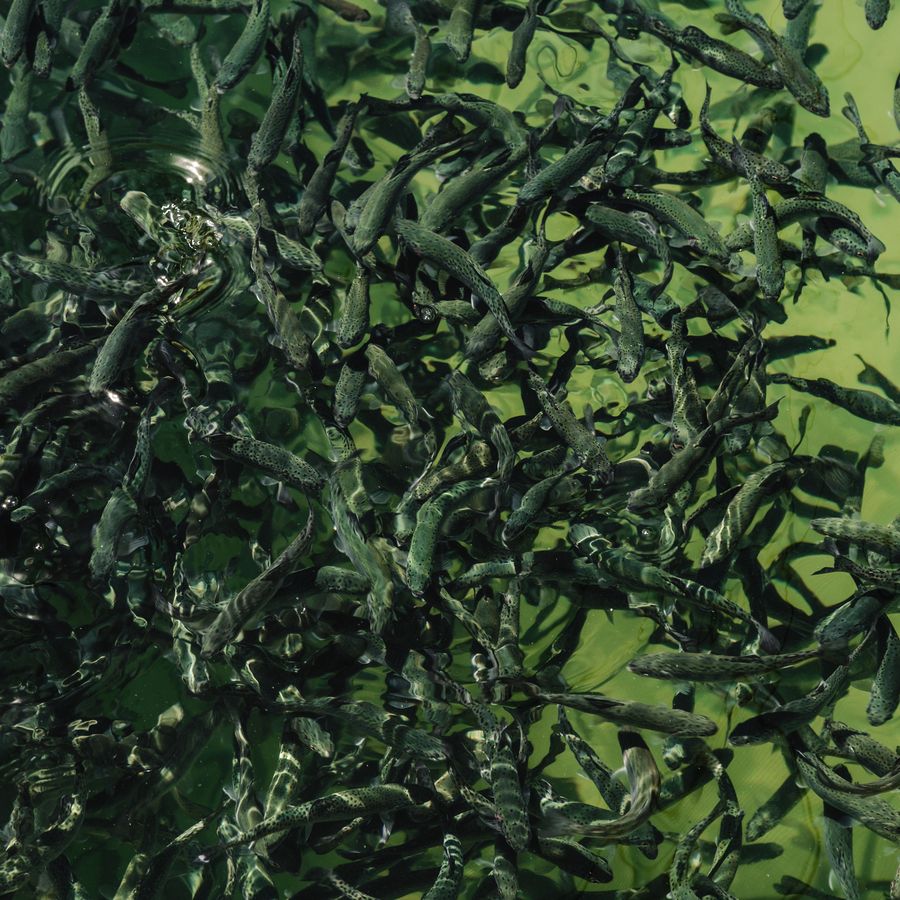
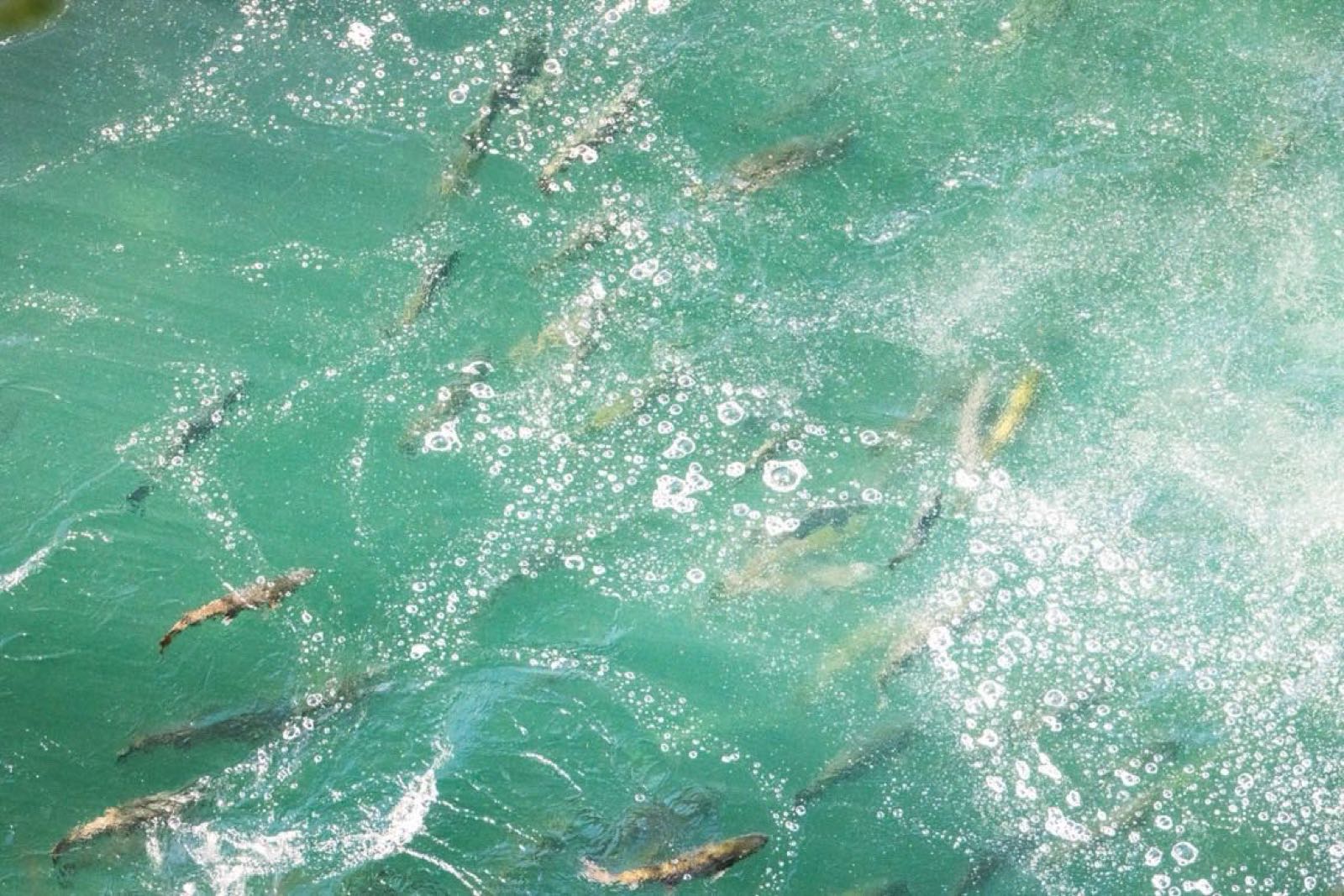
Water quality is one of the most important factors in aquaculture productivity. The Hydro oxygenation system delivers oxygen throughout the water column efficiently, which helps maintain ideal conditions inside an aquaculture system.
Maintaining optimum dissolved oxygen levels improves fish resilience and general health. Hydro adds oxygen, and ozone where it is required, through ultrafine nanobubbles, holding oxygen at the level that supports faster fish growth and destroying the majority of pathological bacteria in fresh water without harm to the fish.
The Hydro oxygen nanobubble system is more effective than conventional aeration because it delivers oxygen rather than air, into bubbles that stay in the water, and without oxygen tanks.
Benefits using Hydro for aquaculture
Benefits using Hydro for aquaculture
Livestock
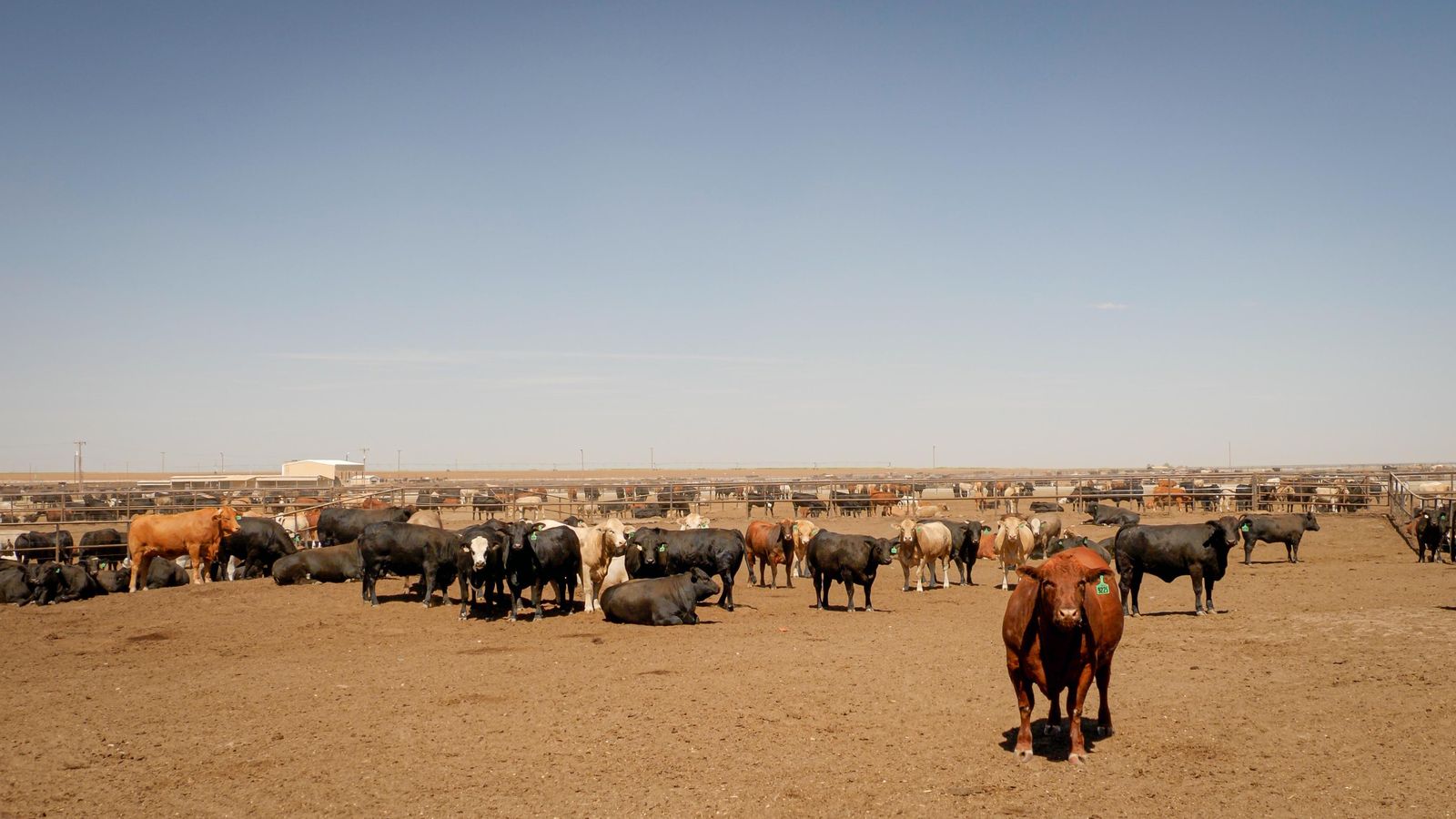
Clean, oxygenated drinking water is one of the highest-return inputs in animal production, because water affects feed intake, digestion, metabolism, temperature regulation, health and production directly. Water is often called the forgotten nutrient, and it has a major influence on animal performance.
Better water, higher water intake, higher feed intake, better health and production.
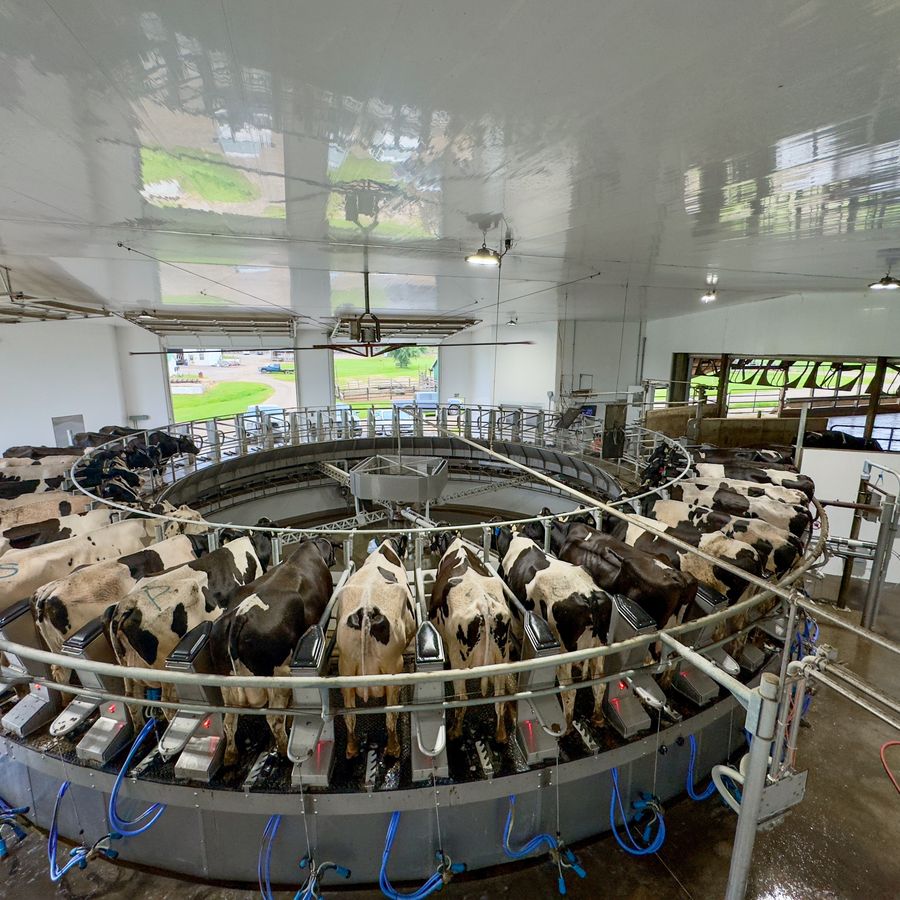
Dairy cattle
Dairy cows require large volumes of water, because milk is approximately 87% water. Access to high-quality water supports milk production and feed utilisation.
- Increased water intake, which supports higher dry matter intake and milk production
- Improved rumen function and feed digestion
- Better heat stress management during hot weather
- Reduced risk of bacterial contamination affecting animal health
- Improved fertility and overall cow welfare
Feedlot cattle
Poor water quality can reduce hydration, feed intake, feed conversion and weight gain, while increasing disease risk.
- Higher feed intake and improved feed conversion ratios
- Better average daily weight gain
- Reduced stress and improved thermoregulation
- Lower risk of digestive disorders associated with poor-quality water
- Improved immune function and reduced disease susceptibility
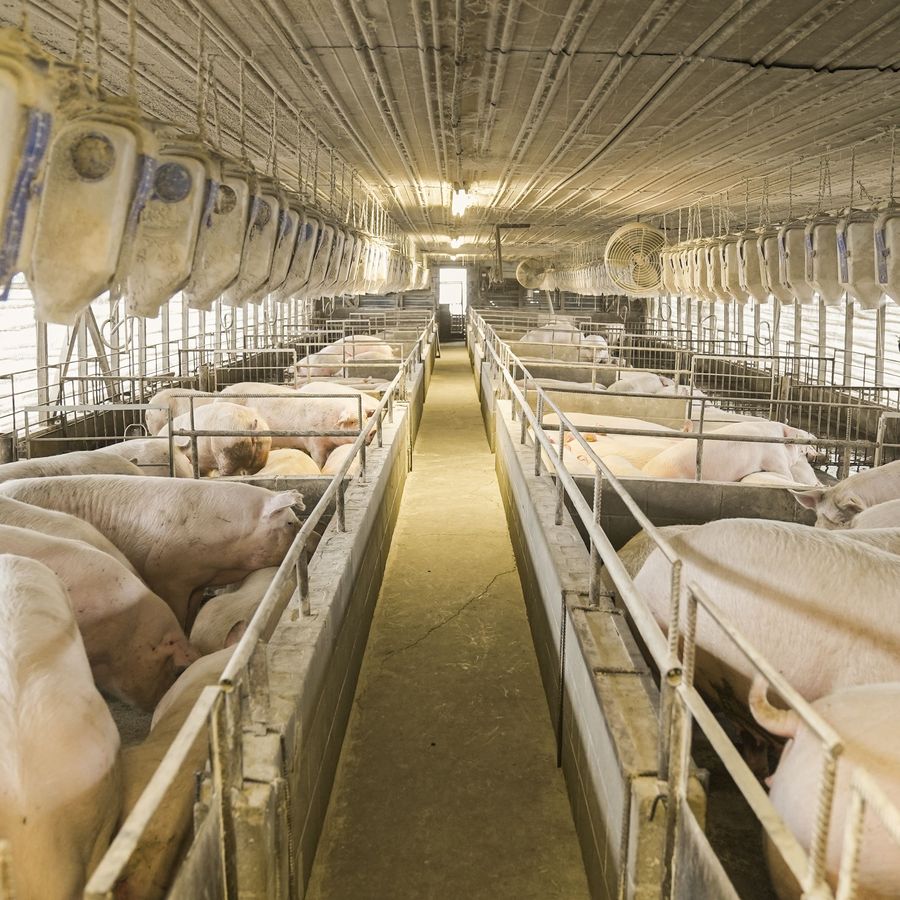
Piggeries
Pigs consume water in close proportion to feed intake, so cleaner and more palatable water generally leads to better feed consumption and more consistent growth.
- Increased feed consumption and growth rates
- Improved sow milk production and piglet performance
- Better gut health and nutrient absorption
- Reduced pathogen load in drinking systems
- Enhanced reproductive performance and welfare
Poultry
Poultry respond quickly to changes in water quality, because water intake is closely tied to feed intake and to body temperature control.
- Improved feed conversion efficiency
- Better growth rates in broilers
- Enhanced egg production and shell quality in layers
- Reduced risk of biofilm, bacterial contamination and disease transmission through drinker lines
- Better cooling and reduced heat stress during hot weather
Farm wastewater treatment
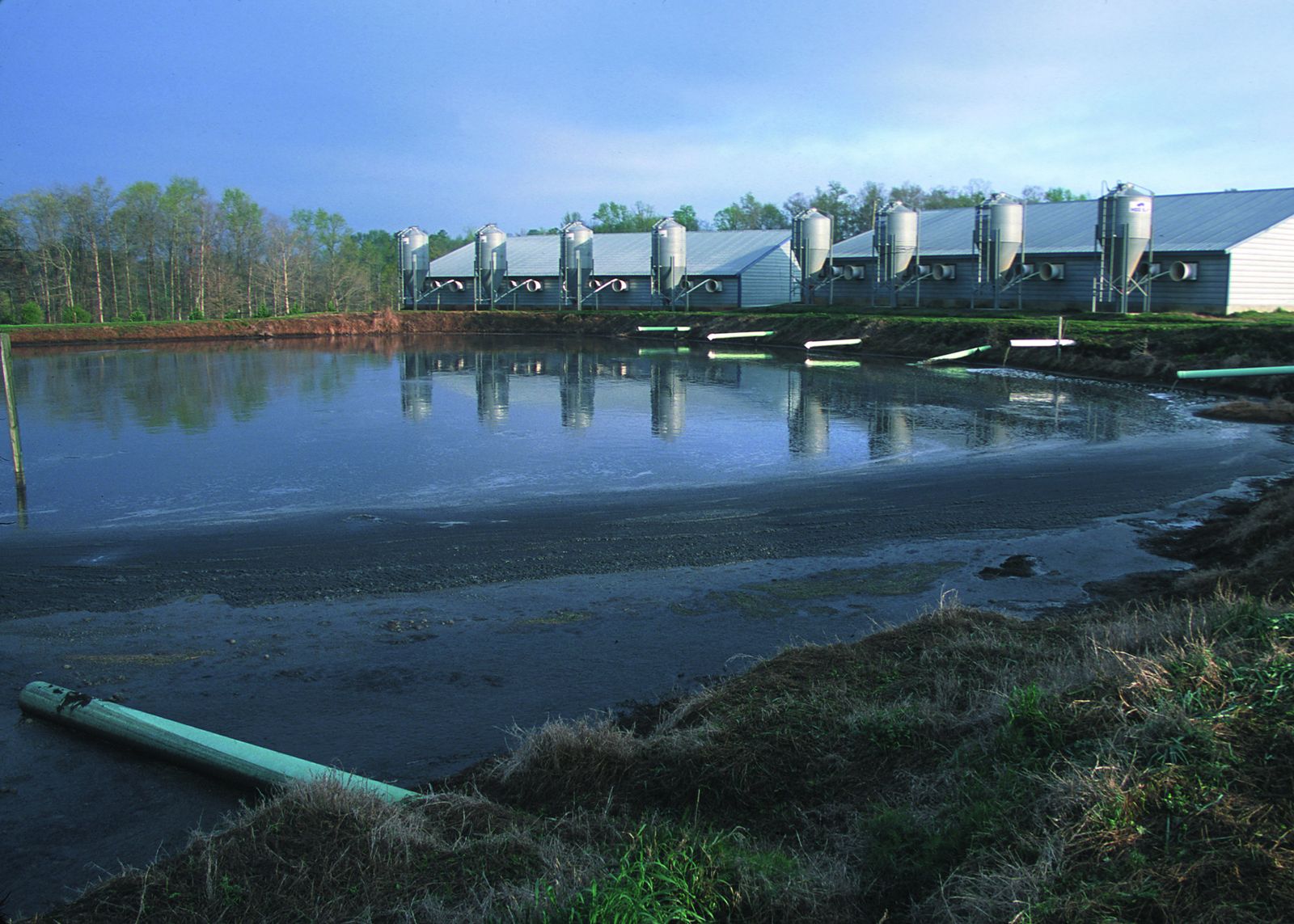
Intensive livestock farming can generate wastewater with high organic loads and strong odour, and with it the environmental compliance and community acceptance problems that follow.
Once treated, the water is safer, cleaner, highly oxygenated and suitable for a range of reuse applications, which helps a farm cut its freshwater consumption.
Hydro oxygenation system
Delivers high dissolved oxygen levels throughout the wastewater stream using nanobubbles. That oxygen-rich environment supports the aerobic bacteria that digest organic matter and reduce pollutants.
- Improved aerobic digestion performance
- Enhanced breakdown of organic waste
- Reduced odours associated with anaerobic conditions
- Improved suspended solids removal
- Increased treatment efficiency
- Reductions in energy consumption compared with traditional aeration systems
Hydro advanced oxidation
Ozone is introduced through nanobubbles, where it stays in contact with the water for longer. The process creates hydroxyl radicals that oxidise and break down contaminants biological treatment alone may not remove.
- Breaks down organic pollutants
- Reduces pathogens
- Reduces algae
- Improves water clarity
- Removes colour, taste and odour compounds
- Produces a higher quality water suitable for reuse applications
Post-harvest food cleaning
The conventional process is four steps: pre-rinse to shift loose dirt, clean with detergents, post-rinse with clean water, then disinfect with a chemical agent. It is water intensive.
Ultrafine bubbles remove loose dirt without detergent, which removes the post-rinse from the sequence and cuts the water the line uses.

Two case studies
SA Tomatoes, and recycled water at two horticultural facilities.
Dissolved oxygen from 4.95 to 41 mg/L in thirty minutes, colony forming units 32,500 down to 33 per ml, and E. coli 200,000 down to 380 MPN/100mL. Both studies now have a page, and neither names a testing laboratory.