Case study, drinking water
Oxidising iron in water using nanobubble ozonation
Testing to confirm iron reduction in water using Hydro2050 ozone nanobubble technology.
What the iron oxidation testing found
Why iron has to be oxidised first
Groundwater often contains dissolved ferrous iron. In this form, the iron is invisible and remains dissolved in the water. To remove it, the dissolved iron must first be oxidised to ferric iron, which forms insoluble iron hydroxide particles, rust-like solids, that can then settle out or be filtered.
Hydro2050 uses ozone delivered in ultrafine bubbles. Ozone is a very strong oxidising agent and can rapidly convert dissolved ferrous iron into ferric iron. The nanobubbles increase treatment effectiveness because they provide an extremely large gas-to-water contact area, remain suspended in water much longer than conventional bubbles, improve ozone transfer efficiency into the water, and increase contact time between ozone and dissolved contaminants.
As a result, more of the ozone is available to react with dissolved iron rather than escaping to the atmosphere.
The results
Water with dissolved ferrous iron at three concentration levels, 4.4, 11.4 and 13.3 mg/L, was treated by the Hydro2050 system. Post treatment, the water was settled and filtered.
4.4 mg/L
Reduced by 91.4%.
11.4 mg/L
Reduced by 91.4%.
13.3 mg/L
Reduced by 96%.
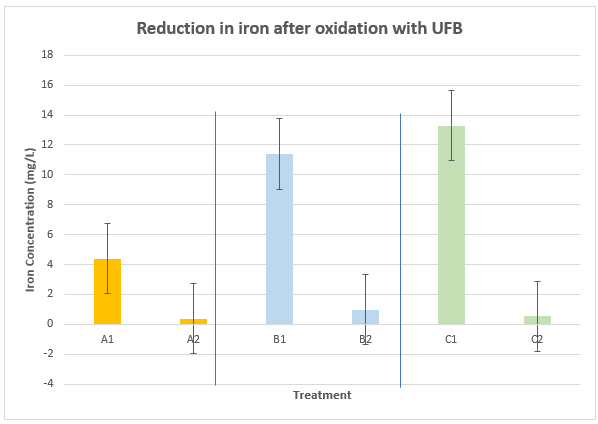
This testing confirms the significant reduction of ferrous iron from water. Although this test was only applied to iron, any dissolved metal that can be converted from a soluble form to an insoluble oxidised form can be removed using ozone based oxidation technology.
Which metals this is likely to work for
Hydro2050 rates the metals most likely to benefit from ozone nanobubble oxidation as follows.
Iron
Excellent
Manganese
Excellent
Arsenic
Very good, via conversion from arsenic III to arsenic V
Copper
Moderate
Zinc
Moderate, usually with precipitation
Nickel
Moderate, usually with precipitation
Cobalt
Moderate
Lead
Moderate
Calcium and magnesium
Poor
Sodium and potassium
Poor
The impact
Groundwater and bore water often have dissolved metals, in particular iron, manganese and arsenic, that can be readily oxidised and precipitated out of the water. These metals can lead to orange and black staining, metallic taste, pipe fouling, and high maintenance of pumps and irrigation systems.
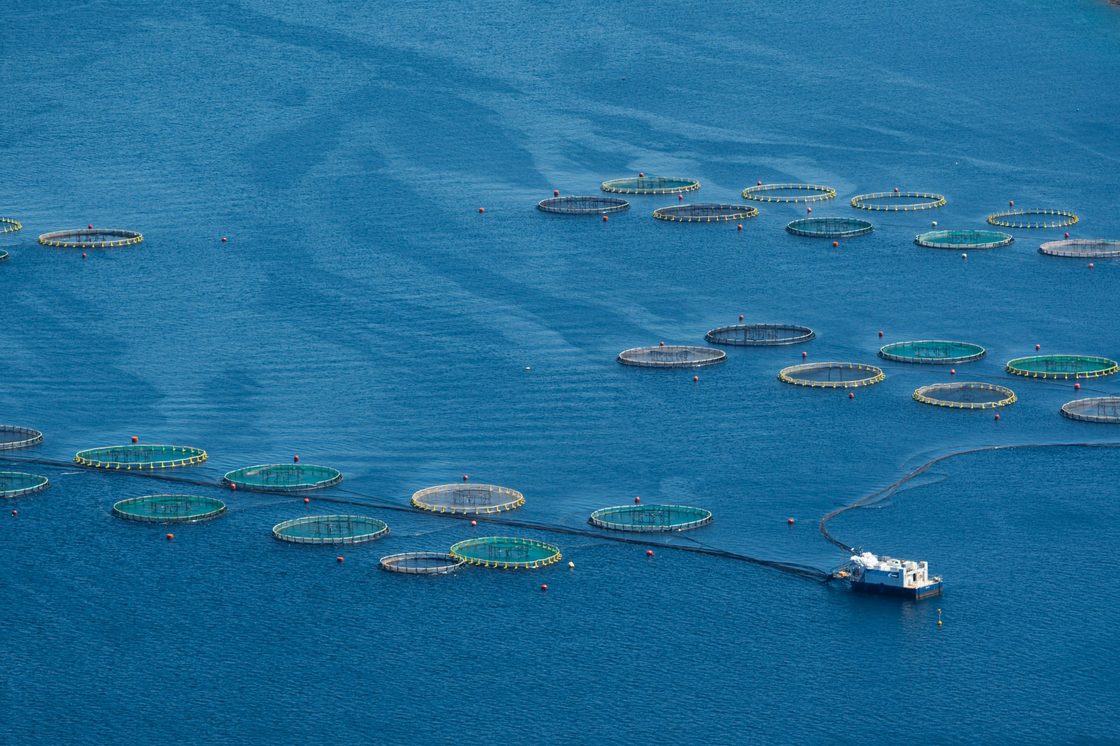
Many water use applications require metal removal, such as iron and manganese rich bore water, mine dewatering water, agricultural dams, aquaculture systems and industrial recycle water.
The Hydro2050 ozone nanobubble system can improve the oxidation stage due to its high mass transfer efficiency of ozone in water.
Drinking water
Iron oxidised and filtered out, and a rating for nine more metals.
The other nine run from a single lake to a university thesis, and seven of them carry a measured result.