Case study, dams, lakes and ponds
Algal bloom control, Jubilee Lake and Willunga Dam
Hydro2050's nanobubble technology effectively reduced heavy and problematic algae in Jubilee Lake and Willunga Dam, increasing dissolved oxygen and controlling algae growth without added chemicals. A 48-hour treatment killed algae, improved water clarity, and lowered nitrate levels, with ongoing benefits observed.
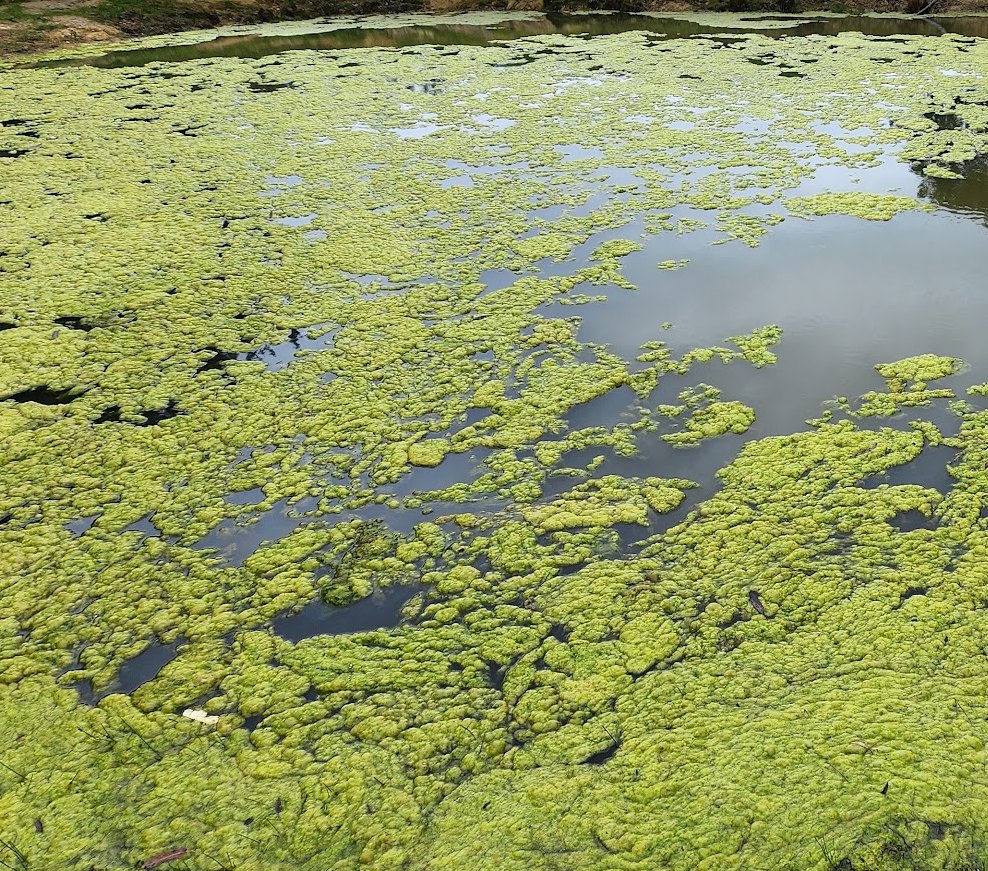
What happened at Jubilee Lake and Willunga Dam
The challenge
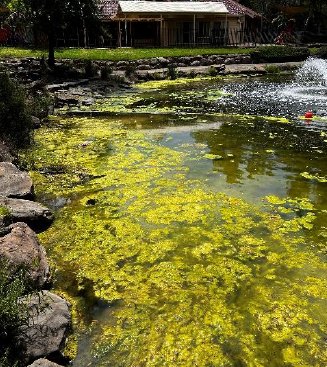
Jubilee Lake was suffering from a severe nutrient-driven algae infestation that had significantly degraded water clarity and amenity, requiring an effective, environmentally sustainable treatment capable of treating a 600,000-litre water body and providing ongoing control without residual chemical addition.
Heavy algae loading and poor water quality. The infestation was extensive enough to substantially reduce water clarity and dominate parts of the lake.
High nutrient levels supporting regrowth. Independent water analysis at Jubilee Lake showed nitrate at 6.64 mg/L before treatment and total nitrogen at 5.53 mg/L, creating conditions conducive to algal proliferation.
The results
The Hydro2050 trial produced a clear improvement in water quality and significant control of the heavy algae infestation at both static water bodies. Key results included the following.
Significant algae reduction
Algae changed from green to brown, formed a bubbly mass and disintegrated, demonstrating that the treatment was actively controlling it.
Dramatically improved water clarity
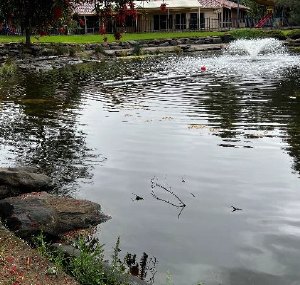
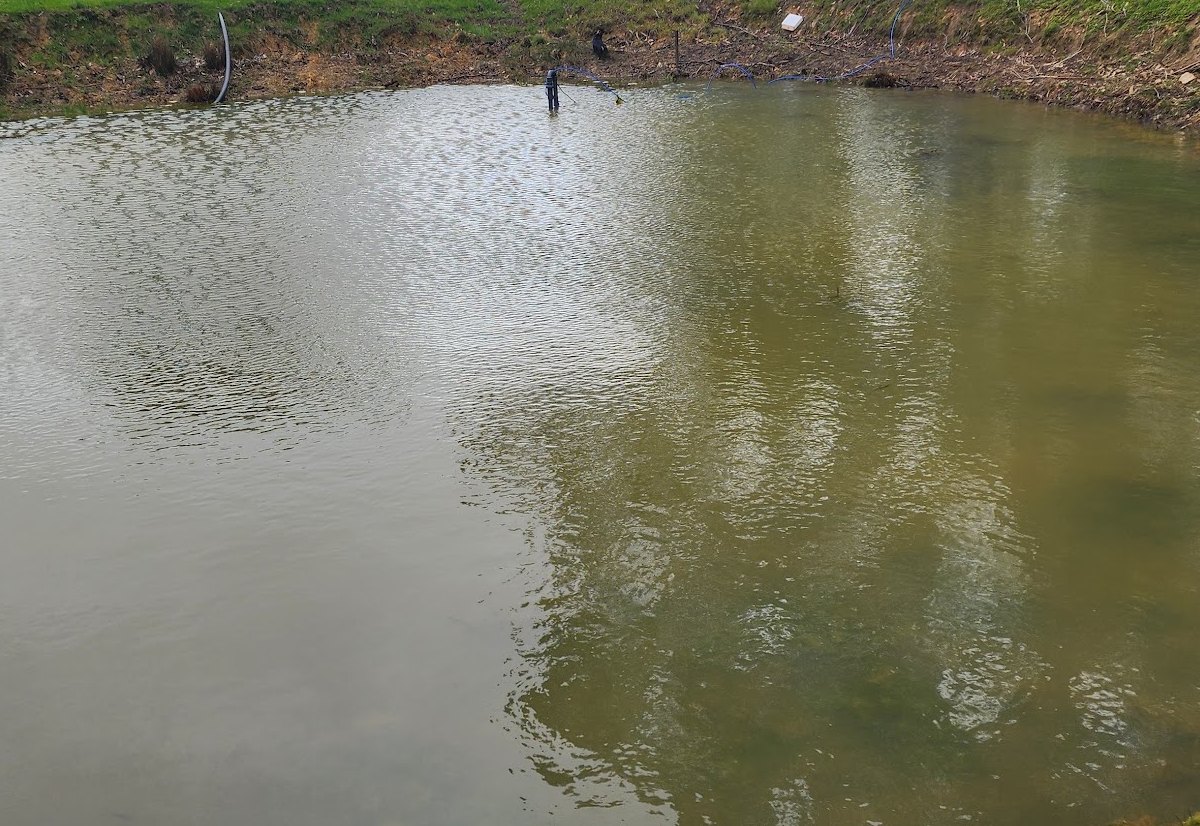
The black colour disappeared and the bottom of the lake became visible.
Major increase in dissolved oxygen
At a monitoring point midway along the treated section, dissolved oxygen increased from 8.1 to 21.4 ppm in just two hours, demonstrating distribution of oxygen-rich nanobubbles through the water column.
Substantial nitrate reduction
Independently tested at Jubilee Lake. Nitrate decreased from 6.64 mg/L to 0.63 mg/L during the treatment period and remained at 0.657 mg/L at the later sampling.
Reduction in total nitrogen
Independently tested at Jubilee Lake. Total nitrogen fell from 5.53 mg/L to 2.58 mg/L across the monitoring period.
pH moved toward neutral
pH reduced from 9.2 to 7.9.
Benefits continued after treatment
At Jubilee Lake, on a follow-up visit on 29 November 2022, algae regrowth was reported as slow and the water remained very clear. Dissolved oxygen at monitoring sites remained around 9 to 10 ppm.
No residual chemical treatment
The process used oxygen and ozone nanobubbles rather than residual chemicals such as copper or chlorine, while increasing dissolved oxygen for aquatic life.
The impact
The Hydro2050 trials demonstrated that the treatment could transform a heavily algae-affected lake toward a clearer, healthier and more oxygenated aquatic environment.
The impact was visible and measurable: heavy algae was substantially reduced, black water became clear enough for the lake bottom to be visible, and dissolved oxygen increased significantly.
Water chemistry also improved, with nitrate falling from 6.64 to 0.657 mg/L, total nitrogen from 5.53 to 2.58 mg/L, and pH moving from 9.2 toward neutral at 7.9 over the monitoring period.
Importantly, the benefits persisted: several weeks later the water remained very clear, algae regrowth was slow and dissolved oxygen remained at acceptable levels.
Jubilee Lake, across the monitoring period
8.1 to 21.4
Dissolved oxygen in ppm, midstream, after two hours
6.64 to 0.657
Nitrate in mg/L
5.53 to 2.58
Total nitrogen in mg/L
Dams, lakes and ponds
Two static water bodies, one 48 hour treatment.
The nutrient side of the Jubilee Lake trial is set out separately, with the council analysis behind it.