Water purification
Ozone forms hydroxyl radicals to sanitise.
Ozone from the atmosphere, forming hydroxyl radicals, delivered by ultrafine bubbles into the water being treated.
How it works
Hydro2050's self-contained water treatment system generates oxygen and ozone directly from ambient air and injects these gases into water through trillions of ultrafine nanobubbles. This process creates highly reactive hydroxyl radicals that safely oxidise contaminants while significantly increasing dissolved oxygen levels throughout the water body.
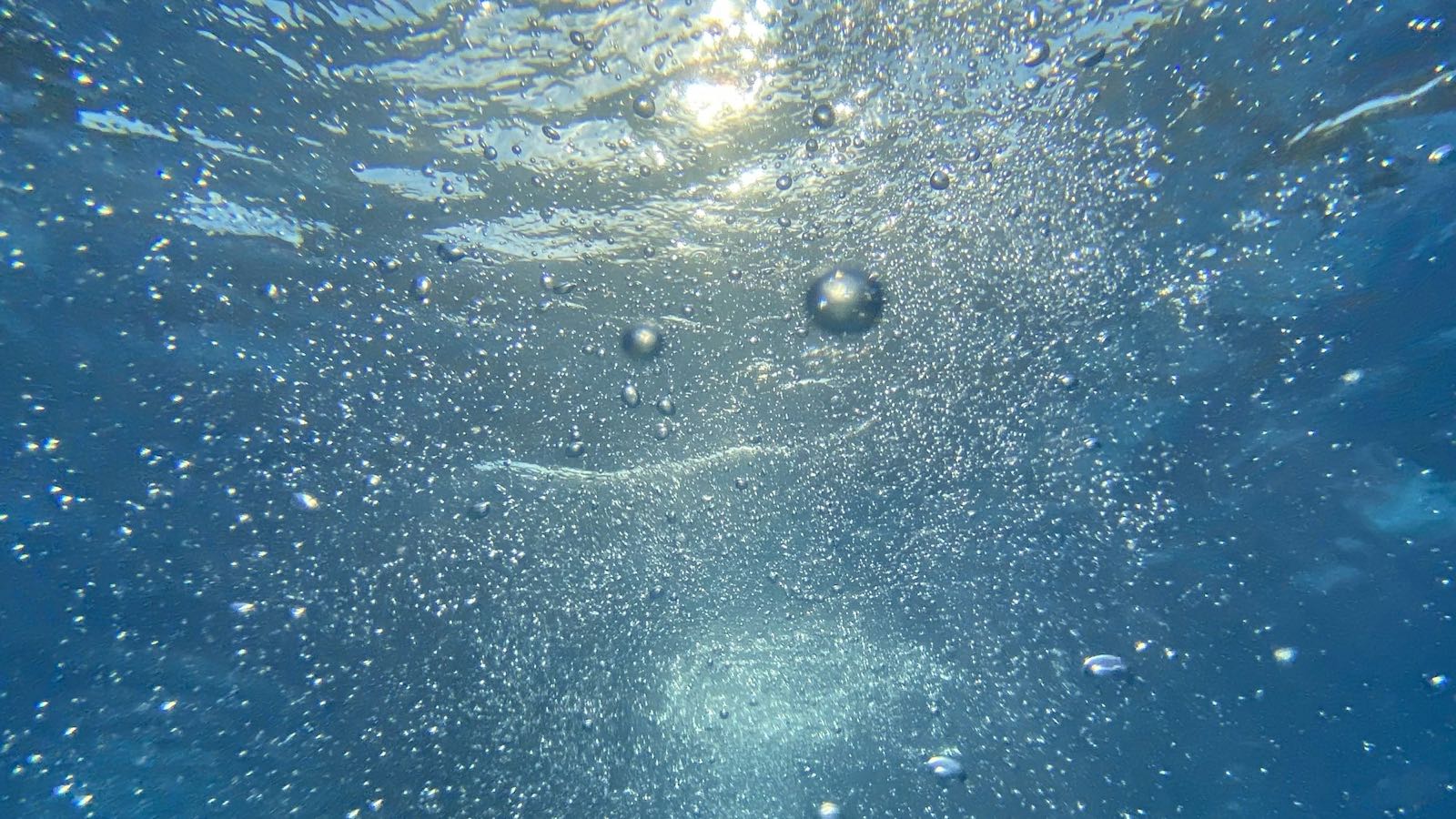
Which gas the unit makes depends on the job. Both are delivered the same way, injected into ultrafine nanobubbles and carried into the water being treated.
Ozone forms hydroxyl radicals to sanitise.
Ozone from the atmosphere, forming hydroxyl radicals, delivered by ultrafine bubbles into the water being treated.
Oxygen raises dissolved oxygen.
Oxygen from the atmosphere, delivered by ultrafine nanobubbles into the water and not lost to the air.
One technology, configured to the water it has to treat. Which format is right depends on the water body, the infrastructure already in place, and whether the unit stays put.
Goes into the water body itself.
A unique submersible system that reduces power consumption and requires only low dose ozonation to safely oxidise contaminants in lakes, dams and tanks.
Plumbed into what is already there.
The ultrafine bubble system can also be applied in-line to existing irrigation infrastructure, which suits horticultural applications.
Large lakes to ornamental ponds.
Fixed for large and continuous applications, or mobile for smaller water bodies only requiring regular short treatment.
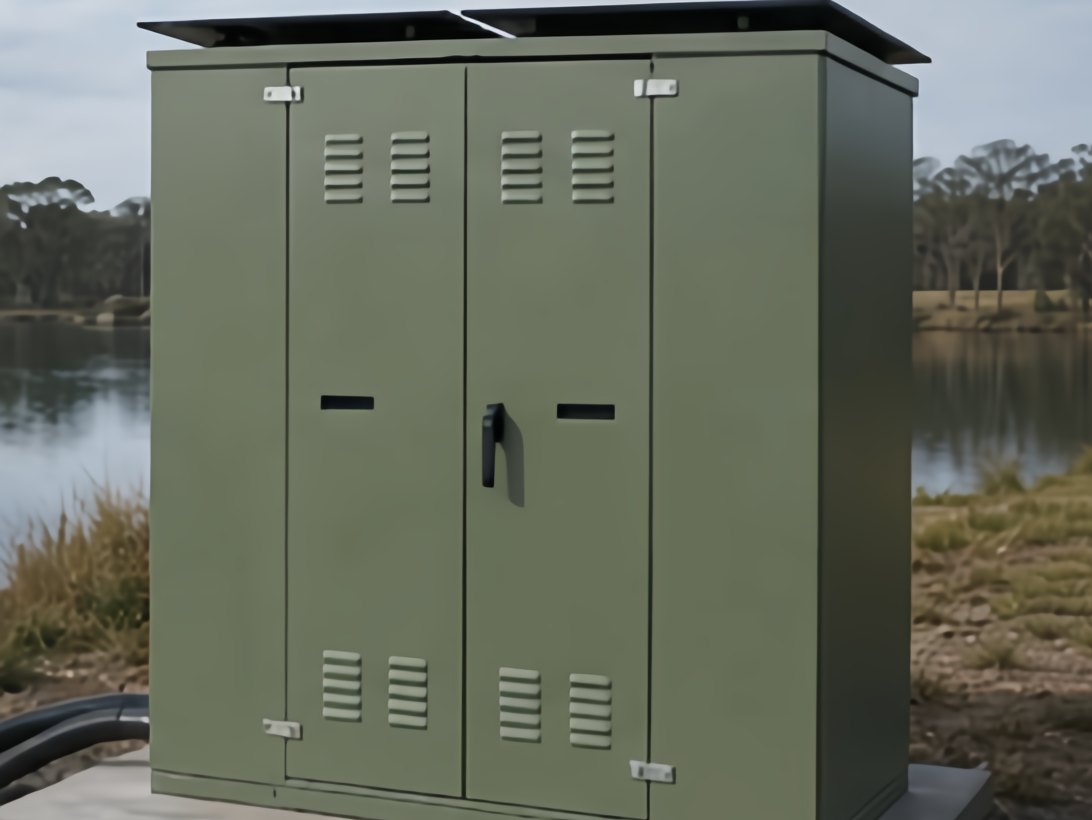
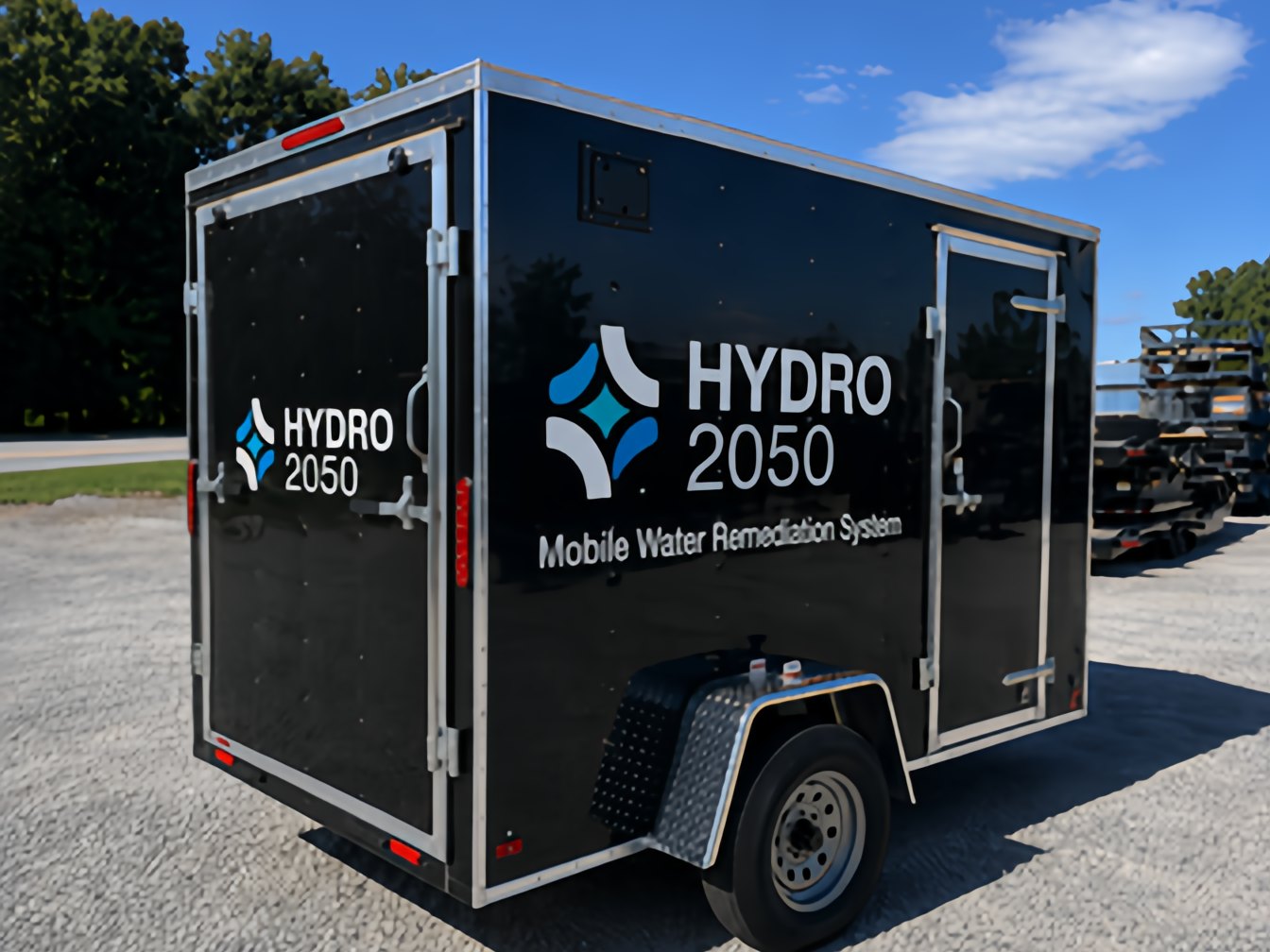
Purifying water using the surrounding air delivered in tiny bubbles.
Air is concentrated to produce oxygen (O₂) and then charged, just like a thunderstorm, to produce ozone (O₃). Dissolved oxygen is essential for healthy water, and ozone has strong oxidising properties to break down contaminants and quickly reverts to oxygen. Ozone is safe and has been used for decades in drinking water purification.
Oxygen and ozone are injected as ultrafine nanobubbles into the water being treated. The process has no moving parts or membranes, which makes it suitable for treating a wide range of water. Unlike conventional aeration, nanobubbles remain suspended in water for extended periods.
Conventional bubbles rise rapidly to the surface, but ultrafine nanobubbles are different. Their extremely small size and strong negative charge keep them suspended throughout the water, where they move and disperse via Brownian motion. Trillions of nanobubbles create a vast reactive surface area, enabling more effective oxygen transfer and enhanced oxidation of contaminants. The result is improved water quality and more efficient treatment processes.
When operating in sanitation mode, ozone nanobubbles collapse within the water, producing highly reactive hydroxyl radicals. These radicals rapidly oxidize organic and inorganic contaminants while destroying single-celled microorganisms by rupturing their cell membranes, delivering powerful and chemical-free sanitation.
The Hydro2050 process achieves exceptional oxygen and ozone transfer efficiency, ensuring superior treatment outcomes with minimal ozone input and low energy consumption. The result is a highly effective, environmentally responsible, and economical water treatment solution.
One unit
A fully self-contained system that generates oxygen and ozone from the atmosphere and injects them into ultrafine bubbles to deliver into the water being treated. It arrives as one water remediation unit rather than a plant to be assembled.
Plug and play
Plug in power, connect water and gas lines.
Low power
Single phase, and low enough to run off grid on solar and battery.
Easy operation
For continuous use.
Nothing to store
No added chemicals or gas tanks, and none of the storage, handling and cost that go with them.
Ongoing service & support
Maintained to keep the system performing.
The delivery
The Ultrafine Nanobubble Generator produces a consistent stream of ultrafine bubbles. The bubbles are the delivery mechanism: whichever gas the unit has made is carried into the water inside them, rather than bubbled through and lost to the air.
They are negatively charged, they disperse through the water column, and they are not lost to the atmosphere, which is what makes the gas transfer efficient.
The reaction
Hydroxyl radicals form when the ozone bubbles collapse under the weight of the water. They are the strongest oxidiser in the process, and they decay very quickly, so their effect on the water is rapid and short lived.
Organic contaminants
Oxidises bacteria, toxins, algae, viruses and other organic contaminants, and is significantly more powerful than other chemical oxidants.
Metals and compounds
Oxidises metals, pesticides, water borne toxins and noxious chemicals.
BOD and COD
Reduces biological and chemical oxygen demand in water.
Odour
Reduces odour in water.
Turbidity
Improves turbidity in water.
What it acts on
Hydro2050 breaks down organic and oxidisable non-organic pollutants in water.
Scope diagram
Shows what one radical reaches before it decays. Claims no magnitude, because none is published.
·OH
Hydroxyl radical, formed where an ozone bubble collapses under the weight of the water.
Hydroxyl radical, formed where an ozone bubble collapses under the weight of the water.
How long it lasts
How long depends on how clean the water is and what it is used for.